
What Are Truffles, and What Do They Taste Like?
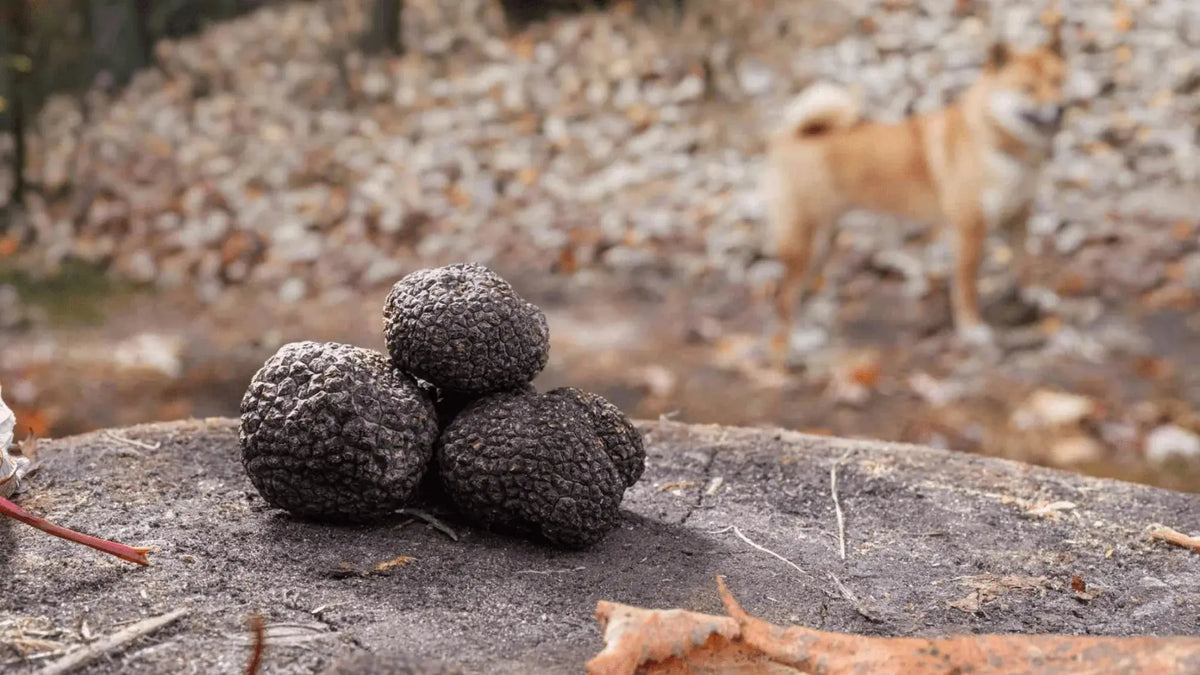
If you have only ever met truffle as a drizzle of oil on fries, the real thing can be a surprise. We first smelled a black summer truffle fresh from the ground in Antonio Rossi's woods above Spoleto, the day his dog Pepper dug it up. Earthy, nutty, alive. It showed us what truffle is meant to smell like.
So let's start at the beginning.
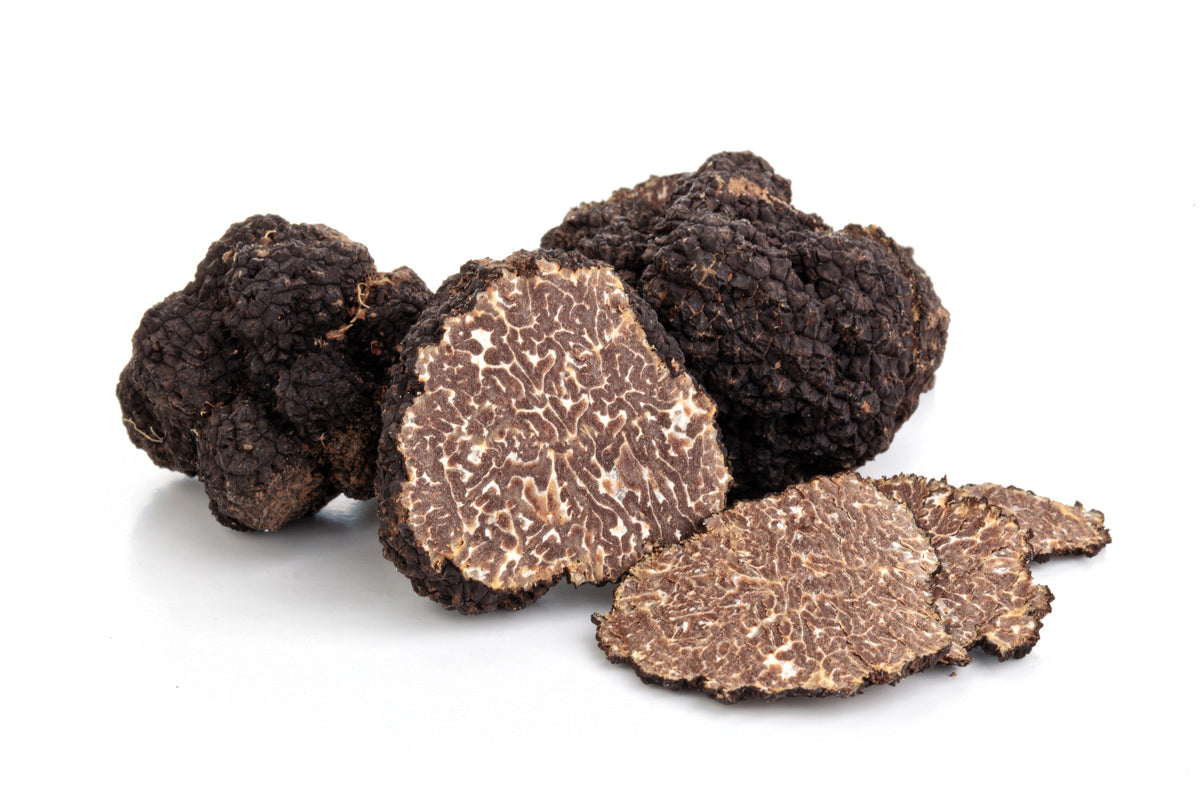
Truffles are the fruit of a fungus that grows underground, attached to the roots of trees such as oak, hazel and poplar. They taste earthy and savoury, like mushrooms with more depth, but the smell is the point: musky, nutty and a little garlicky. Most of what you taste in a truffle, you actually smell.
What exactly is a truffle?
A truffle is the fruiting body of a fungus from the genus Tuber. It lives in partnership with a tree: the fungus helps the roots take up water and minerals, and the tree feeds the fungus sugars. The truffle itself is a knobbly lump, from the size of a marble to the size of a fist, that ripens a few centimetres below the soil.
Because it ripens underground, a truffle cannot drop its spores on the wind like a mushroom. It relies on smell instead. When it is ripe, the aroma rises through the soil so animals dig it up and carry the spores away. That is also why truffle hunters use dogs: they follow the same smell.
What do truffles taste like?
Think of the smell of a forest floor after rain, then add something rich and savoury. The flavour depends on the type:
- Black summer truffle (Tuber aestivum): gentle and nutty, with a hint of hazelnut and earth. This is the truffle we use, from the Rossi family of Spoleto, Umbria.
- Black winter truffle (Tuber melanosporum): deeper and earthier, with notes some people compare to cocoa.
- White truffle (Tuber magnatum): sharp, heady and garlicky, almost always eaten raw, shaved over warm food.
There is more on each in our guide to the different types of truffles and to white vs black truffle.
Why do truffles smell so strong?
A ripe truffle gives off a mix of volatile compounds, many of them sulphur-based, which is where the garlicky, musky note comes from. Volatile means they lift into the air easily, especially when warm. That is why truffle hits you the moment you open a jar or a bag, and why a little warmth (hot pasta, scrambled eggs, fresh fries) brings it out.
It also explains why truffle is best added at the end of cooking. Long, hot cooking drives the aroma off before the food reaches the table.

How can you taste real truffle at home?
Fresh truffles are seasonal and need using within days. A good pantry product lets you taste truffle any week of the year:
- Open a bag of Black Summer Truffle Chips and smell before you taste. Chef Johnathan, our co-founder, spent 58 recipes keeping that aroma in a chip.
- Stir a spoon of Black Truffle Paté into hot buttered pasta or scrambled eggs.
- Finish fries or a steak with a pinch of Black Truffle Sea Salt.
For more ideas, see what truffles are used for or browse our truffle condiments.
Where do truffles come from?
Truffles grow wild and in planted truffle orchards in parts of Europe, especially Italy, France and Spain, and are also grown in places such as Australia and New Zealand. Ours come from one family: the Rossi family, who have hunted black summer truffles in the hills above Spoleto since 1923. Read about where truffles grow or our story.
FAQ
Are truffles a type of mushroom?
Both are fungi, but a truffle grows and ripens underground, attached to tree roots, while a mushroom grows above ground. A truffle relies on its smell to get dug up and spread its spores.
Do truffles taste like mushrooms?
A little, but deeper. Truffles taste earthy and savoury, and most of the flavour comes from the aroma: musky, nutty and slightly garlicky.
Why should truffle be added at the end of cooking?
Truffle aroma is volatile. Gentle warmth releases it, but long, hot cooking drives it off before you eat.
What truffle does Aroma Truffle use?
Black summer truffles (Tuber aestivum) from the Rossi family of Spoleto, Umbria, who have hunted truffles there since 1923.

Leave a comment
This site is protected by hCaptcha and the hCaptcha Privacy Policy and Terms of Service apply.